Troubleshooting Refrigerator Cooling Problems: How to Fix a Refrigerator That’s Not Cooling
- Better Homes Appliance Repair

- Jul 27
- 4 min read
When your refrigerator stops cooling properly, it can feel like a mini emergency. Food starts to spoil, drinks lose their chill, and you’re left wondering what went wrong. I’ve been there, and I know how frustrating it can be. The good news is that many common refrigerator cooling problems are fixable without calling in a pro right away. In this post, I’ll walk you through practical steps to diagnose and fix a refrigerator that’s not cooling, using simple language and clear guidance.
Understanding Common Refrigerator Cooling Problems
Before diving into repairs, it helps to understand what might cause your fridge to stop cooling. Refrigerators are complex appliances, but most cooling issues boil down to a few key areas:
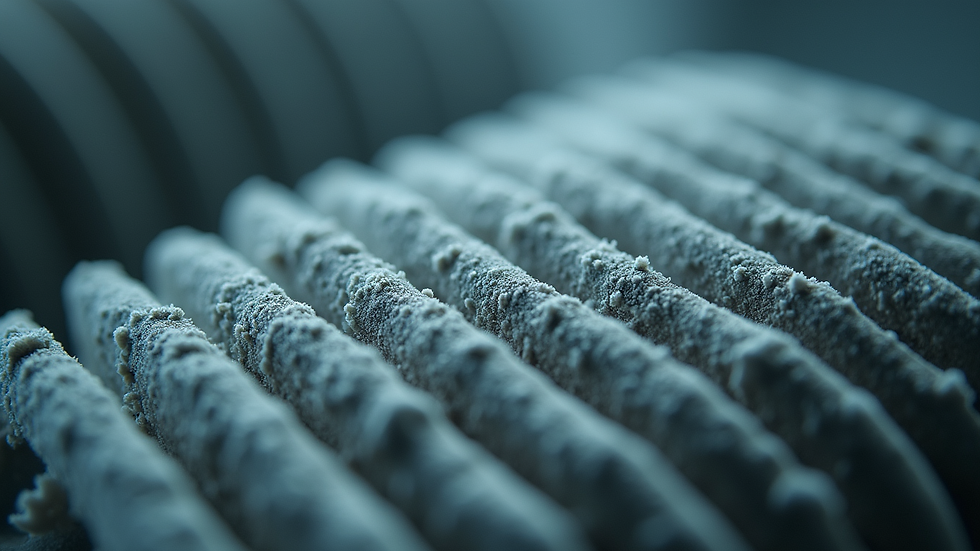
Dirty condenser coils: These coils release heat from inside the fridge. If they’re covered in dust or pet hair, the fridge can’t cool efficiently.
Faulty evaporator fan: This fan circulates cold air inside the fridge. If it’s broken, cold air won’t reach all compartments.
Thermostat or temperature control issues: If the thermostat is set incorrectly or malfunctioning, the fridge won’t cool properly.
Door seal problems: A worn or damaged door gasket lets cold air escape and warm air in.
Compressor or start relay failure: The compressor is the heart of the cooling system. If it’s not working, the fridge won’t cool at all.
Knowing these common culprits can help you narrow down the problem and decide what to do next.
How to Diagnose and Fix Refrigerator Cooling Problems
Let’s get practical. Here’s a step-by-step guide to checking and fixing some of the most common issues:
1. Check the Temperature Settings
It sounds simple, but sometimes the thermostat dial gets bumped or accidentally turned. Make sure the temperature is set between 37°F and 40°F (3°C to 4°C) for the fridge and 0°F (-18°C) for the freezer. If it’s too warm, adjust it and wait 24 hours to see if the temperature improves.
2. Clean the Condenser Coils
Dirty coils are a frequent cause of cooling problems. Locate the coils—usually at the back or underneath the fridge—and vacuum or brush off any dust and debris. This can improve cooling efficiency significantly.
3. Inspect the Door Seals
Run your hand along the door gasket to check for cracks, tears, or gaps. A simple test is to close the door on a piece of paper and try to pull it out. If it slides out easily, the seal might need replacing. A tight seal keeps cold air in and warm air out.
4. Listen for the Evaporator Fan
Open the fridge door and listen for the fan running inside. If you don’t hear it, the fan motor might be faulty or blocked by ice buildup. Defrosting the fridge or replacing the fan motor can solve this.
5. Check the Compressor and Start Relay
The compressor should run quietly and steadily. If it’s clicking on and off or not running at all, the start relay might be defective. This part is usually inexpensive and replaceable. However, compressor issues often require professional help.
If you’re unsure or uncomfortable with any of these steps, it’s always a good idea to seek expert assistance. For reliable refrigerator not cooling repair, professionals can quickly diagnose and fix the problem, saving you time and stress.

Is it Worth Fixing a Refrigerator That Is Not Cooling?
You might be wondering if it’s better to repair your fridge or just replace it. Here are some factors to consider:
Age of the refrigerator: If your fridge is over 10-15 years old, repairs might be less cost-effective than buying a new one.
Cost of repair vs replacement: Simple fixes like cleaning coils or replacing a door seal are inexpensive. But compressor or sealed system repairs can be costly.
Energy efficiency: Older refrigerators tend to use more electricity. A new, energy-efficient model could save money in the long run.
Sentimental or practical reasons: Sometimes, you might want to keep your current fridge because it fits your space perfectly or has features you like.
If the repair cost is less than half the price of a new fridge and the appliance is relatively new, fixing it usually makes sense. Otherwise, it might be time to consider an upgrade.
Preventing Future Refrigerator Cooling Problems
Once your fridge is cooling properly again, it’s smart to take steps to keep it that way. Here are some easy maintenance tips:
Clean condenser coils every 6 months: This simple task can prevent many cooling issues.
Check door seals regularly: Replace them if they show signs of wear.
Avoid overloading the fridge: Air needs to circulate freely to keep everything cool.
Keep the fridge away from heat sources: Direct sunlight or ovens nearby can make it work harder.
Defrost manual defrost models regularly: Ice buildup can block airflow and reduce cooling.
Regular maintenance not only extends the life of your fridge but also keeps your food fresh and your energy bills lower.
When to Call a Professional for Refrigerator Cooling Issues
Sometimes, despite your best efforts, the fridge still won’t cool properly. That’s when it’s time to call in the experts. Signs you need professional help include:
The compressor is not running or making loud noises.
The fridge is leaking water or frost is building up excessively.
You’ve tried basic troubleshooting without success.
You notice electrical issues like tripped breakers or sparks.
Professional technicians have the tools and knowledge to diagnose complex problems safely and efficiently. They can also source the right parts and ensure your fridge is repaired to last.
If you’re in Pinellas, Hillsborough, or Pasco Counties, Better Homes Appliance Repair offers quick, reliable service you can trust. Their team understands the urgency of a fridge that’s not cooling and works hard to get your appliance back in shape fast.
Fixing a refrigerator that’s not cooling doesn’t have to be overwhelming. With a little patience and the right approach, many common problems can be solved at home. And when you need a hand, professional repair services are just a call away. Keep your fridge running smoothly, and enjoy fresh food and cold drinks every day!

Comments