How to Fix Broken Appliances: Practical Tips for Homeowners

Updated: Feb 17
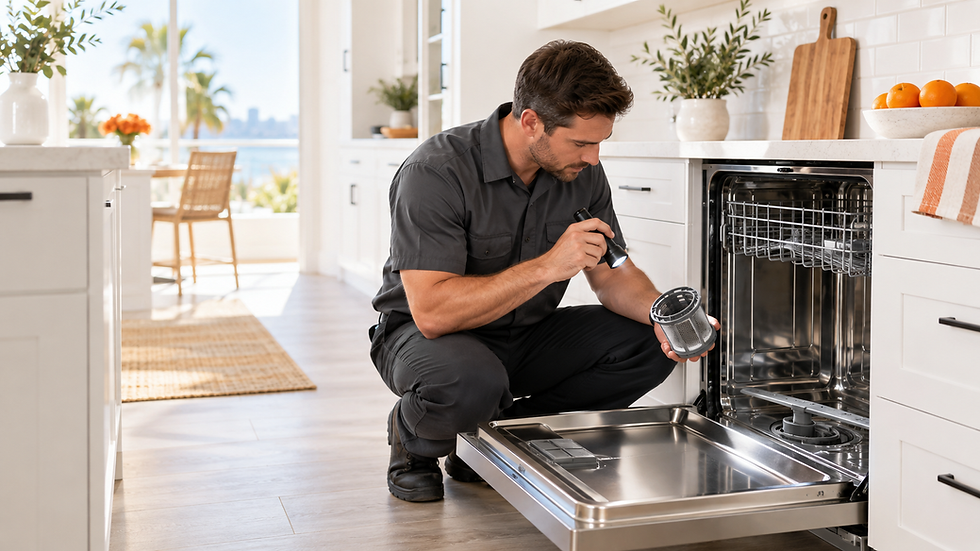
Fixing broken appliances might seem daunting, but many common problems have straightforward solutions. Here are some practical tips to get started:
Identify the problem: Before attempting any repair, understand what is wrong. Is the appliance not turning on? Is it making unusual noises? Does it leak water? Pinpointing the issue helps you decide the next steps.
Check the power source: Sometimes, the problem is as simple as a tripped circuit breaker or unplugged cord. Always verify the appliance is properly connected to power.
Consult the user manual: Most appliances come with manuals that include troubleshooting sections. These can provide quick fixes for common issues.
Clean and maintain: Dirt, dust, and debris can cause appliances to malfunction. Regular cleaning of filters, vents, and coils can prevent many problems.
Use the right tools: If you decide to open the appliance, make sure you have the correct tools and follow safety precautions, such as unplugging the device.
If these steps don’t resolve the issue, it might be time to consider professional repair.

When to Call Experts to Fix Broken Appliances
While DIY repairs can save money, some appliance problems require expert attention. Here are signs that you should call a professional:
Complex electrical issues: If the appliance has wiring problems or repeatedly trips breakers, it’s safer to get expert help.
Gas appliances: Repairs involving gas lines or connections should always be handled by certified technicians.
Persistent leaks or water damage: Water-related problems can cause further damage if not properly fixed.
Unusual noises or smells: Strange sounds or burning smells indicate serious issues that need professional diagnosis.
Warranty considerations: Attempting repairs yourself might void the warranty. Check your warranty terms before proceeding.
Professional appliance repair technicians have the skills and tools to diagnose and fix problems efficiently. They can also provide advice on maintenance to extend the life of your appliances.
How much is a call out fee for a washing machine?
Understanding the cost of appliance repairs helps you plan your budget. A common question is: how much is a call out fee for a washing machine?
Typical range: Call out fees usually range from $50 to $100 depending on your location and the company.
What it covers: This fee covers the technician’s travel and initial diagnosis of the problem.
Additional costs: After diagnosis, you will receive a quote for parts and labor. Some companies include the call out fee in the total repair cost if you proceed with the service.
Tips to save: Ask for a detailed estimate upfront and compare prices from different providers.
Knowing these costs helps you make informed decisions about whether to repair or replace your washing machine.

Benefits of Using Professional Appliance Repair Services
Choosing professional appliance repair services offers several advantages:
Expertise and experience: Professionals have specialized training and experience with various appliance brands and models.
Safety: Repairing appliances involves electrical and mechanical components that can be hazardous without proper knowledge.
Time-saving: Experts can quickly diagnose and fix problems, saving you time and frustration.
Quality parts: Professionals use genuine or high-quality replacement parts to ensure durability.
Warranty protection: Repairs done by certified technicians often come with warranties on parts and labor.
Using professional services ensures your appliances are fixed correctly and safely, giving you peace of mind.
Tips to Prevent Appliance Breakdowns
Preventing appliance breakdowns is easier and cheaper than repairing them. Here are some actionable tips:
Regular maintenance: Clean filters, vents, and coils regularly to keep appliances running efficiently.
Avoid overloading: Don’t overload washing machines or dishwashers as it strains the motor and other components.
Use appliances as intended: Follow manufacturer guidelines for usage to avoid unnecessary wear and tear.
Inspect hoses and seals: Check for cracks or leaks in hoses and seals and replace them promptly.
Schedule professional check-ups: Annual inspections by a technician can catch small issues before they become major problems.
By following these tips, you can extend the life of your appliances and reduce repair costs.
When to Consider Appliance Replacement Instead of Repair
Sometimes, fixing broken appliances is not the best option. Consider replacing your appliance if:
Repair costs exceed 50% of replacement price: Expensive repairs may not be worth it.
Appliance is old: Appliances older than 10 years may be less efficient and more prone to breakdowns.
Frequent repairs: If you find yourself calling for repairs often, replacement might be more cost-effective.
Energy efficiency: Newer models use less energy and water, saving money in the long run.
Safety concerns: Older appliances may not meet current safety standards.
Evaluate these factors carefully to make the best decision for your home and budget.
Conclusion: Keeping Your Appliances in Top Shape
Fixing broken appliances can be manageable with the right knowledge and support. Whether you choose to try simple repairs yourself or hire professionals, understanding the process helps you maintain a smooth-running household. Remember, timely action and proper care are key to keeping your appliances in top shape.
By following the tips outlined in this guide, you can ensure your appliances remain functional for years to come. Don't hesitate to seek help when needed, and always prioritize safety in your repair efforts.


Comments