Professional Appliance Repair Tips and Services

Updated: Jan 1
When household appliances stop working, it can disrupt your daily routine and cause frustration. Knowing how to troubleshoot common appliance issues and when to seek professional help can save you time and money. This guide offers practical tips and insights into professional appliance repair services, helping you maintain your appliances and extend their lifespan.
Understanding Appliance Troubleshooting Help
Appliance troubleshooting help starts with identifying the problem. Many appliance issues have simple causes that you can fix yourself. For example, a refrigerator not cooling might be due to a dirty condenser coil or a faulty door seal. A washing machine that won’t spin could have an unbalanced load or a clogged drain pump.
Here are some basic steps to troubleshoot appliances:
Check the power source: Ensure the appliance is plugged in and the circuit breaker hasn’t tripped.
Inspect for visible damage: Look for broken parts, leaks, or unusual noises.
Consult the user manual: Many manuals include troubleshooting sections for common problems.
Reset the appliance: Some devices have reset buttons or can be unplugged for a few minutes to clear errors.
By following these steps, you can often resolve minor issues without professional assistance.

Common Appliance Problems and How to Fix Them
Different appliances have unique issues, but some problems are common across many types. Here are a few examples with practical solutions:
Refrigerator Not Cooling
Cause: Dirty condenser coils, blocked vents, or faulty thermostat.
Fix: Clean the coils with a brush or vacuum, ensure vents inside the fridge are clear, and check the thermostat settings.
Oven Not Heating Properly
Cause: Burnt-out heating element or faulty temperature sensor.
Fix: Inspect the heating element for visible damage and replace if necessary. Test the temperature sensor with a multimeter.
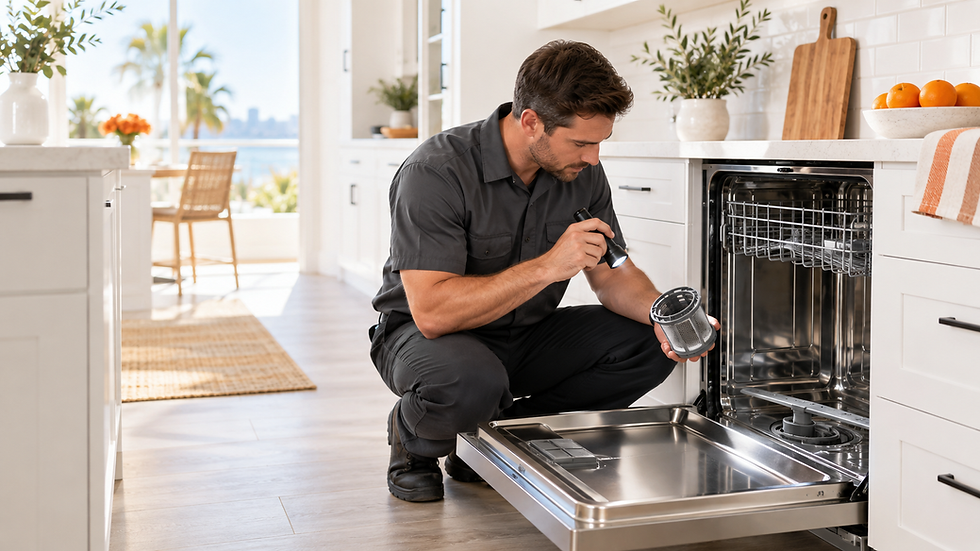
Dishwasher Not Draining
Cause: Clogged drain hose or filter.
Fix: Remove and clean the filter, check the drain hose for blockages, and ensure the garbage disposal is clear if connected.
Washing Machine Won’t Spin
Cause: Unbalanced load, broken belt, or lid switch issue.
Fix: Redistribute clothes evenly, check the belt for wear, and test the lid switch for continuity.
If these fixes don’t work, it might be time to call a professional.

Should I Call a Plumber or Appliance Repair?
Sometimes, it’s unclear whether a problem requires a plumber or an appliance repair technician. Here’s how to decide:
Call a plumber if: The issue involves water supply lines, leaks, or drainage problems unrelated to the appliance itself. For example, a leaking pipe under the sink or a clogged household drain.
Call an appliance repair technician if: The problem is with the appliance’s internal components, such as motors, electrical parts, or control boards.
For instance, if your dishwasher is not draining because of a clogged drain hose, a plumber might be needed. But if the dishwasher’s pump motor is faulty, an appliance repair expert is the right choice.
Knowing who to call can save you from unnecessary service fees and ensure the problem is fixed correctly.

When to Seek Professional Appliance Repair Services
While DIY troubleshooting can solve many minor issues, some situations require professional intervention:
Complex electrical problems: Appliances with electrical faults can be dangerous to handle without proper training.
Warranty considerations: Attempting repairs yourself may void the manufacturer’s warranty.
Lack of tools or expertise: Some repairs need specialized tools and knowledge.
Persistent or recurring issues: If the same problem keeps happening, professional diagnosis is necessary.
Professional technicians have the experience to quickly identify and fix problems, often saving you money in the long run. They also provide safety and reliability that DIY fixes may lack.
If you need reliable appliance repair, it’s best to contact a trusted service provider who can offer timely and effective solutions.
Tips for Maintaining Your Appliances
Preventive maintenance is key to avoiding breakdowns and extending the life of your appliances. Here are some tips:
Regular cleaning: Clean filters, coils, and vents to ensure efficient operation.
Check seals and gaskets: Replace worn door seals to maintain temperature and prevent leaks.
Avoid overloading: Follow manufacturer guidelines for load sizes in washers and dryers.
Use appliances properly: Avoid harsh chemicals or improper settings that can damage components.
Schedule routine inspections: Have a professional check your appliances annually.
By following these simple steps, you can reduce the need for repairs and keep your appliances running smoothly.
Taking care of your household appliances with proper troubleshooting and maintenance can save you time and money. When problems arise that are beyond your skill level, don’t hesitate to seek professional help. Expert appliance repair services ensure your appliances are fixed safely and efficiently, helping you get back to your daily routine without hassle.


Comments