Dishwasher Troubleshooting: How to Fix Common Dishwasher Malfunctions
- Better Homes Appliance Repair

- Jan 1
- 4 min read
Dishwashers are a convenient appliance that save time and effort in the kitchen. However, like any machine, they can sometimes malfunction or stop working properly. When your dishwasher is not cleaning dishes well, not draining, or showing error codes, it can be frustrating. Fortunately, many common dishwasher problems can be diagnosed and fixed with some basic troubleshooting steps. This guide will walk you through practical tips to identify and resolve typical dishwasher issues, helping you get your appliance back to optimal performance.
Understanding Dishwasher Troubleshooting Basics
Before diving into specific problems, it’s important to understand how a dishwasher works. A dishwasher uses water, detergent, and heat to clean dishes. It fills with water, sprays it through rotating arms, drains the dirty water, and then dries the dishes. If any part of this process is interrupted, the dishwasher may not function correctly.
When troubleshooting, always start by checking the simplest things:
Is the dishwasher plugged in and turned on?
Is the water supply valve open?
Are the spray arms free of debris and able to rotate?
Is the detergent dispenser working properly?
These basic checks can often solve minor issues without needing professional help. If you find a more complex problem, such as electrical faults or broken components, you may need to consider dishwasher repair services.
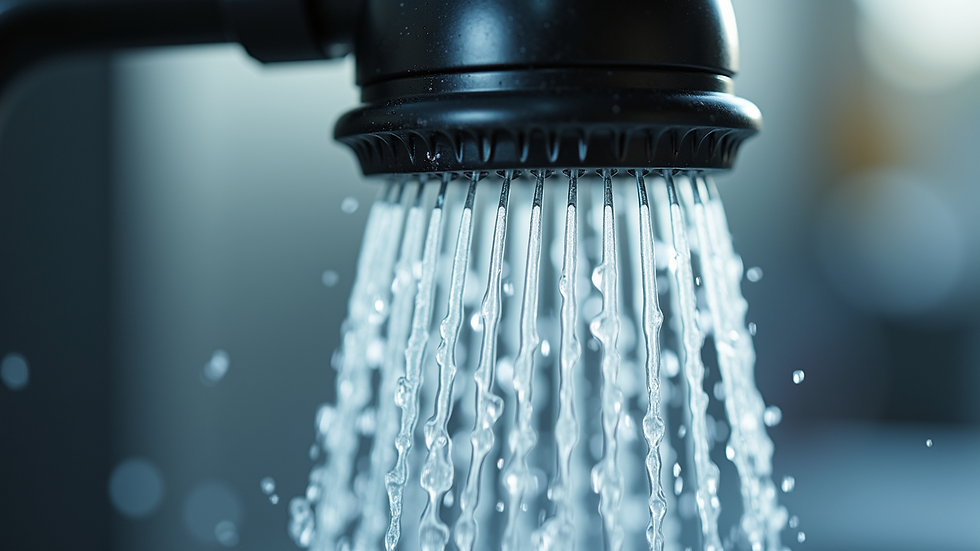
Close-up view of dishwasher spray arm with water jets
Dishwasher Troubleshooting: Step-by-Step Guide to Common Issues
When your dishwasher is not working as expected, follow these troubleshooting steps to identify the cause:
1. Dishwasher Won't Start
If your dishwasher does not start at all, check the following:
Power supply: Ensure the dishwasher is plugged in and the circuit breaker is not tripped.
Door latch: The dishwasher will not run if the door is not securely closed.
Control panel: Look for error lights or locked controls. Some models have a child lock feature that disables operation.
Delay start: Make sure the delay start option is not activated.
If these checks don’t resolve the issue, the problem could be with the door switch, timer, or control board.
2. Dishes Are Not Getting Clean
If your dishes come out dirty or with residue, consider these causes:
Clogged spray arms: Remove and clean the spray arms to ensure water sprays properly.
Blocked filters: Dirty filters can reduce water flow and cleaning efficiency. Clean or replace filters regularly.
Detergent issues: Use the correct detergent and check that the dispenser opens during the cycle.
Overloading: Avoid overcrowding the dishwasher, which can block water jets.
Water temperature: The water should be at least 120°F (49°C) for effective cleaning.
3. Dishwasher Is Not Draining
Standing water at the bottom of the dishwasher indicates a drainage problem. Troubleshoot by:
Checking the drain hose: Make sure it is not kinked or clogged.
Cleaning the drain filter: Remove debris that may block water flow.
Inspecting the garbage disposal: If connected, ensure it is clear and the knockout plug is removed.
Testing the drain pump: Listen for unusual noises that may indicate a faulty pump.
4. Dishwasher Leaks Water
Leaks can cause water damage and should be addressed immediately. Common causes include:
Door gasket damage: Inspect the rubber seal around the door for cracks or wear.
Loose or damaged hoses: Check all water supply and drain hoses for leaks.
Overfilling: A faulty water inlet valve can cause the dishwasher to overfill.
Clogged or broken spray arms: Water may spray in unintended directions.

Eye-level view of dishwasher door gasket with water droplets
What is the Most Common Problem with a Dishwasher?
The most frequent issue reported by dishwasher users is poor cleaning performance. This problem often results from clogged spray arms, dirty filters, or using the wrong detergent. Over time, food particles and hard water deposits can build up inside the dishwasher, reducing its effectiveness.
To prevent this, regularly clean the spray arms and filters. Use a dishwasher cleaner monthly to remove mineral deposits. Also, ensure you are using the right type and amount of detergent for your water hardness level.
Tips for Preventing Dishwasher Malfunctions
Prevention is always better than repair. Here are some practical tips to keep your dishwasher running smoothly:
Scrape off large food scraps before loading dishes to avoid clogging filters.
Run hot water in the sink before starting the dishwasher to ensure hot water supply.
Use rinse aid to improve drying and prevent spots.
Avoid overloading the dishwasher to allow proper water circulation.
Inspect and clean filters monthly to maintain water flow.
Check hoses and connections periodically for leaks or damage.
Run a cleaning cycle with dishwasher cleaner every few months.
When to Call a Professional for Dishwasher Repair
While many dishwasher issues can be fixed with simple troubleshooting, some problems require professional attention. If you experience:
Electrical issues such as no power or control panel failures
Persistent leaks despite gasket and hose checks
Broken or noisy drain pumps
Faulty water inlet valves
Error codes that you cannot resolve
It is best to contact a qualified technician for dishwasher repair. Attempting complex repairs without proper knowledge can cause further damage or void warranties.
By following these troubleshooting tips and maintenance advice, you can extend the life of your dishwasher and enjoy consistently clean dishes with less hassle. Regular care and timely repairs will keep your appliance running efficiently for years to come.


Comments